Mad Movies
Description
In this project, I developed Madmovie as a simulation of IMDb, one of the largest online movie database platforms. The goal was to integrate back-end database systems with front-end interface design in a cohesive and functional way. Through this project, I applied my knowledge of the Foundation framework, jQuery, Sammy.js, SQL, and the phpMyAdmin environment to create a dynamic and data-driven user experience.
Languages & Libraries:
Foundation, jQuery, PHP, SQL, phpMyAdmin, HTML, CSS.
#Foundation #jQuery #HTML #CSS #Responsive #branding #database
In Depth
Developing Process:
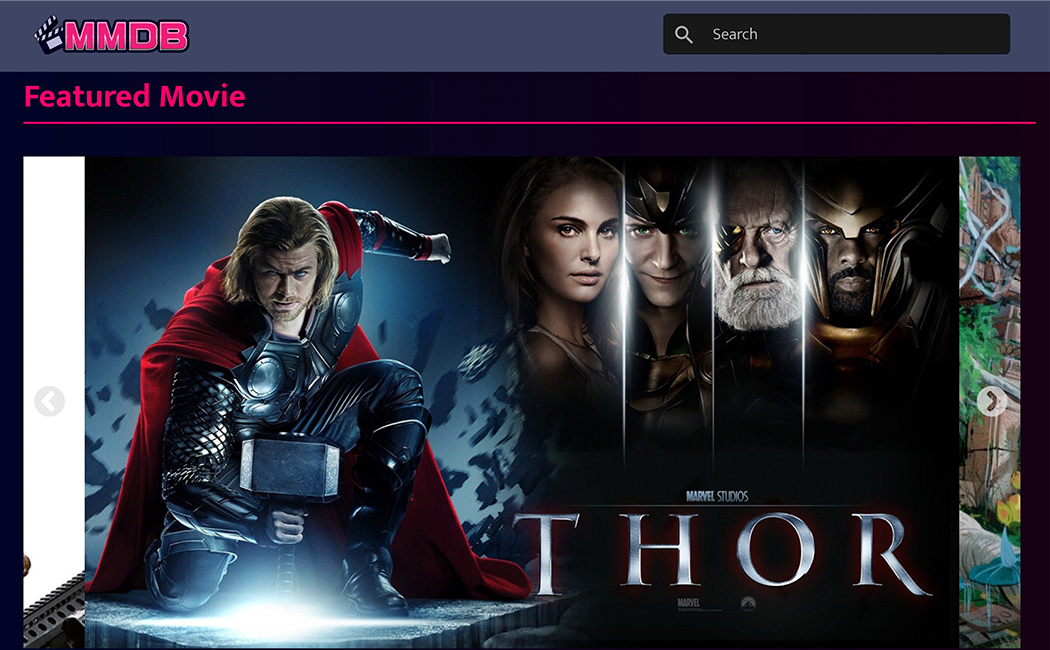
During the development process, I worked with a comprehensive database containing thousands of movie records, including posters, genres, cast members, related titles, scene screenshots, and trivia. Each actor and actress was structured with an individual profile, allowing for relational data connections across the platform.
To integrate and manage this data, I implemented PHP service files that communicate between the database and the front-end interface. Using Sammy.js as a routing library, I structured the application to dynamically retrieve and display specific datasets based on user interaction. This approach allowed me to create a seamless navigation system where different sections of the database are loaded efficiently and contextually.
I also developed the typography and colour scheme to support readability and visual hierarchy, ensuring that large volumes of content remain accessible and well-organized.


Interface Colour Scheme Development
I designed the logo in Adobe Illustrator, incorporating a subtle three-dimensional effect and a primary pink colour to create contrast against a darker background. The use of an analogous colour scheme helps maintain visual cohesion while allowing key elements to stand out.
For the front-end interface, I used the Foundation framework and its 12-column grid system to structure content in a clear and organized layout. The overall colour scheme is based on purple analogous tones. To accommodate the high volume of visual content such as movie posters and images, I applied a darker purple background paired with bright pink headings. This contrast enhances visibility and ensures that users can easily distinguish between different sections and media elements.
Gallery